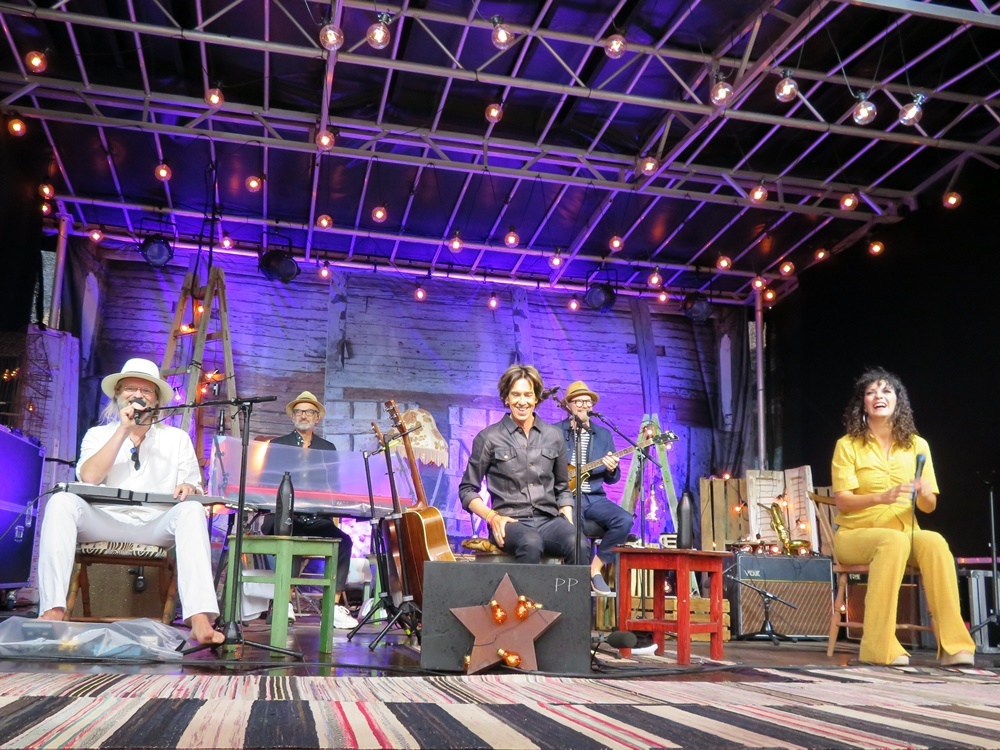
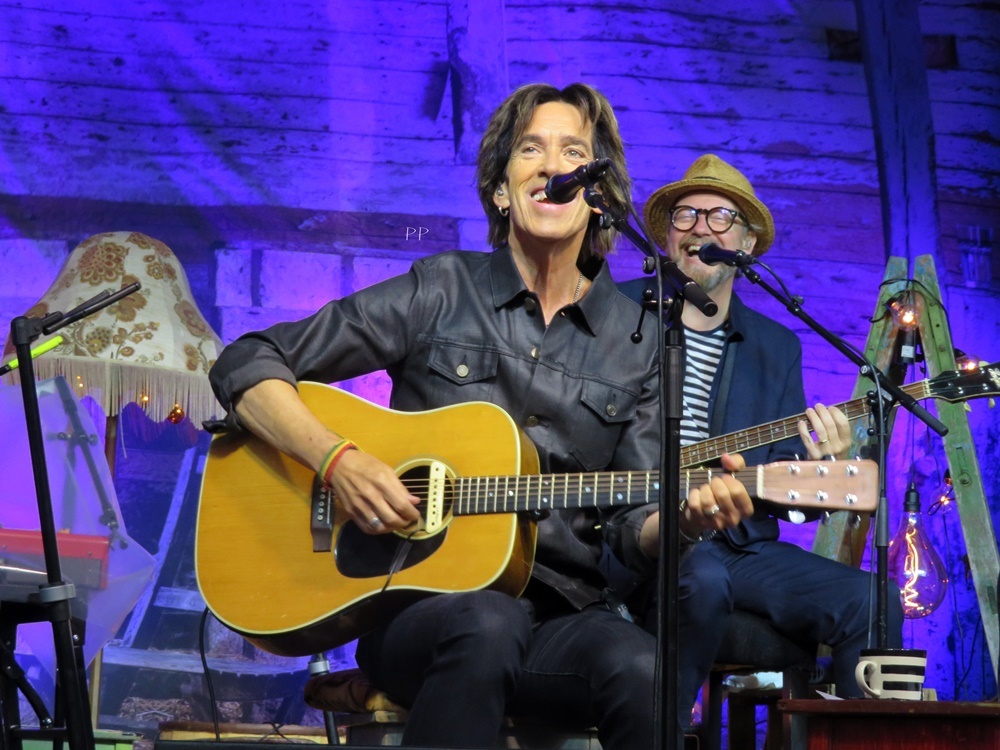
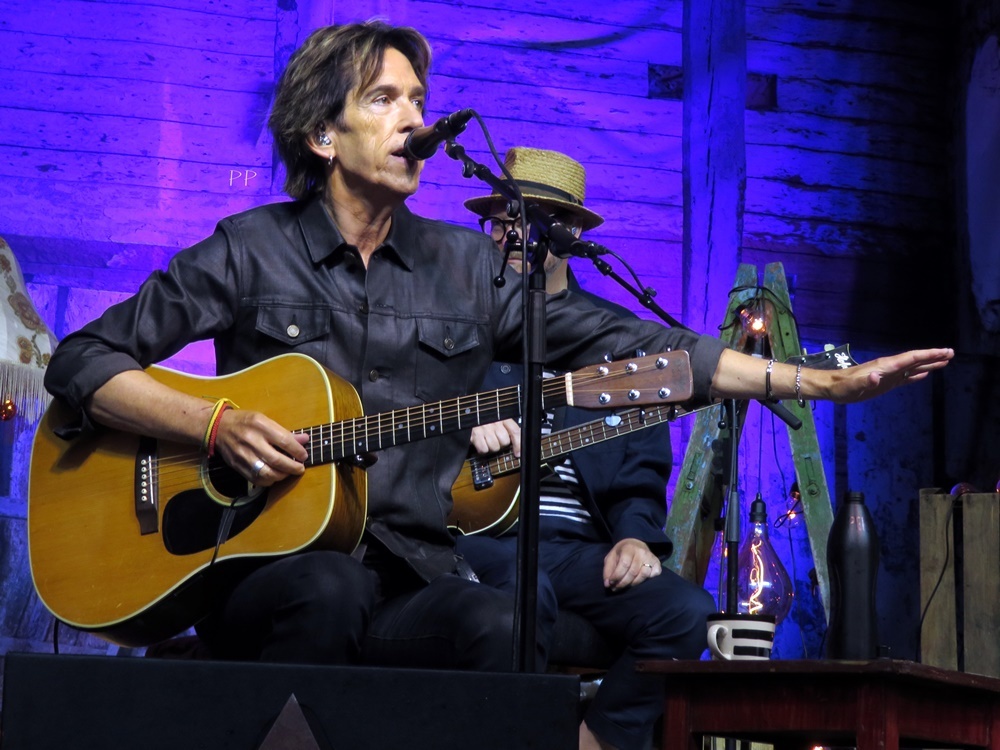
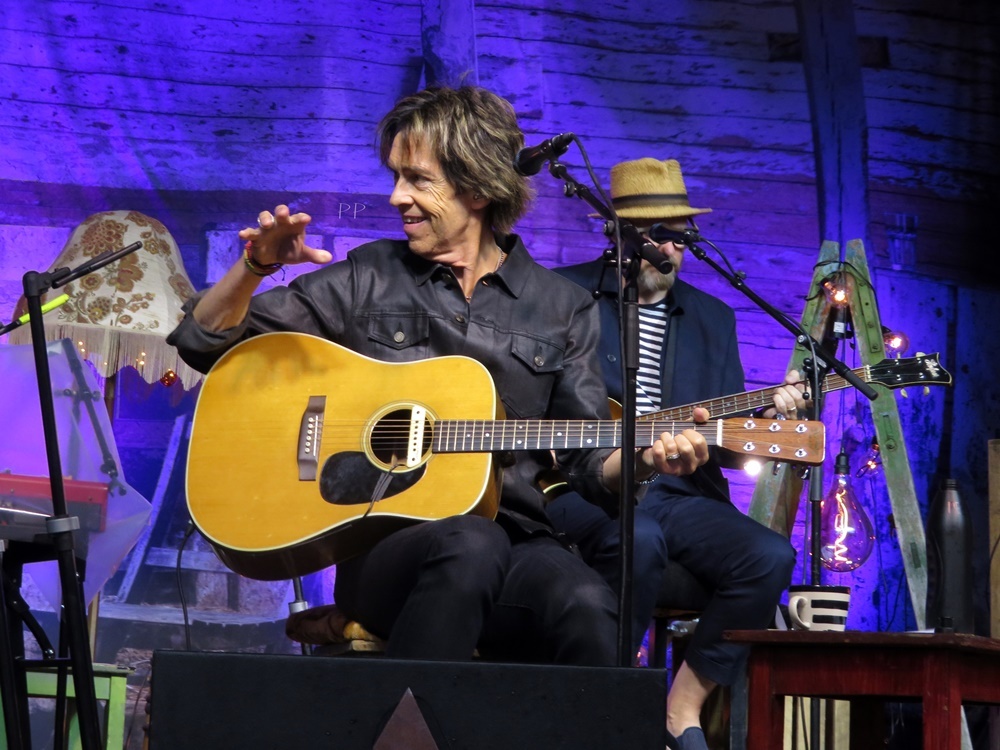
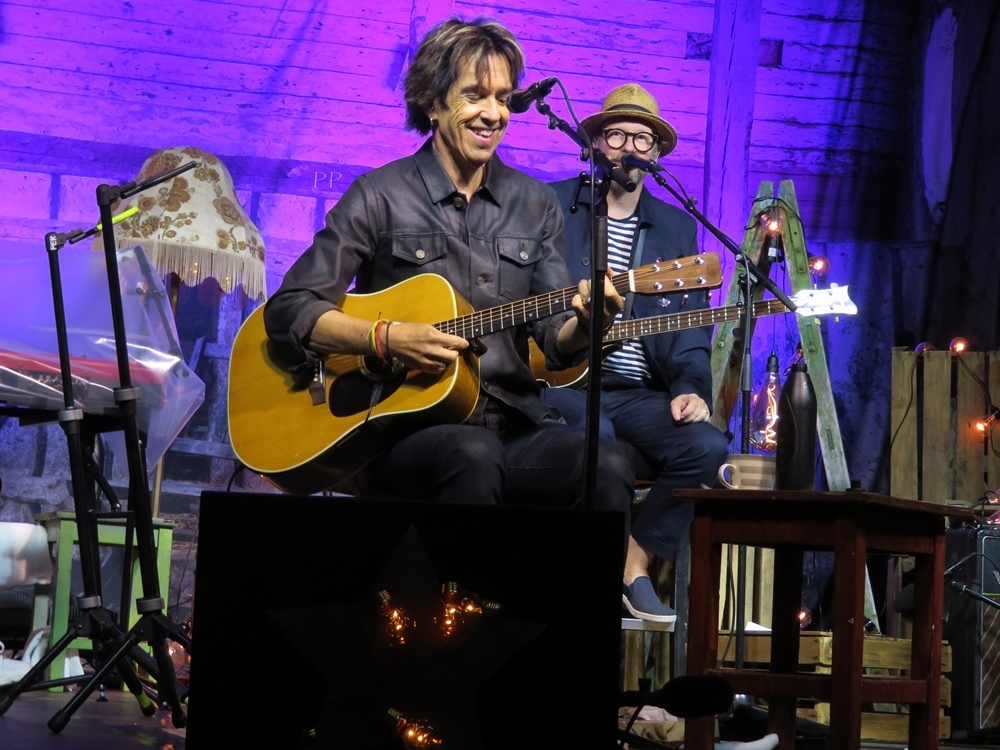
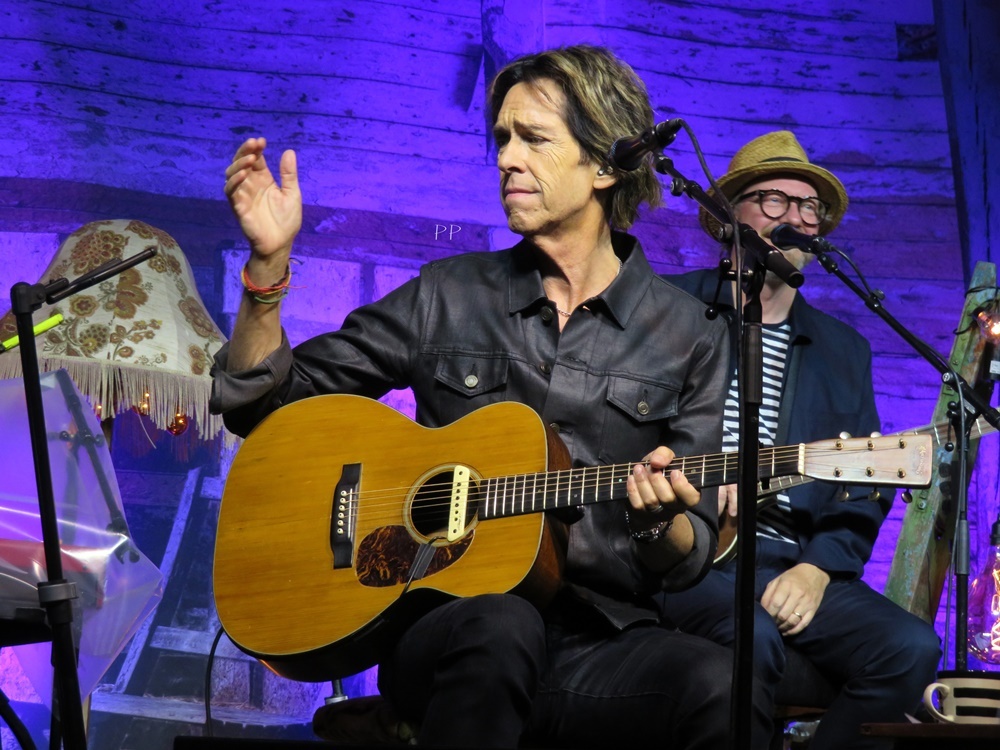
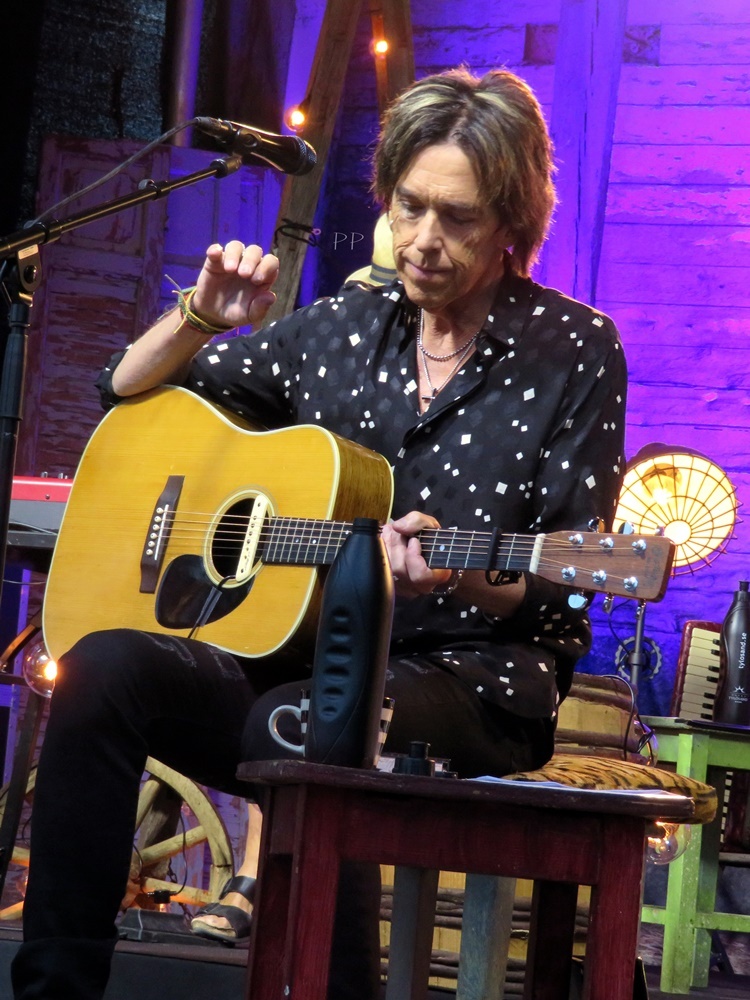
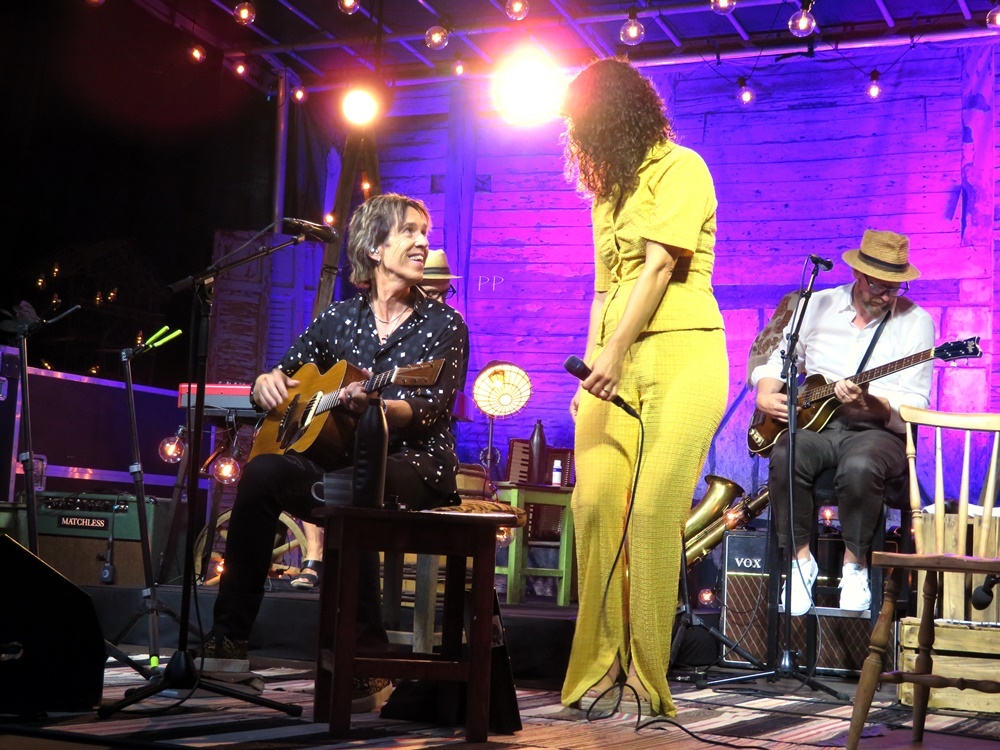
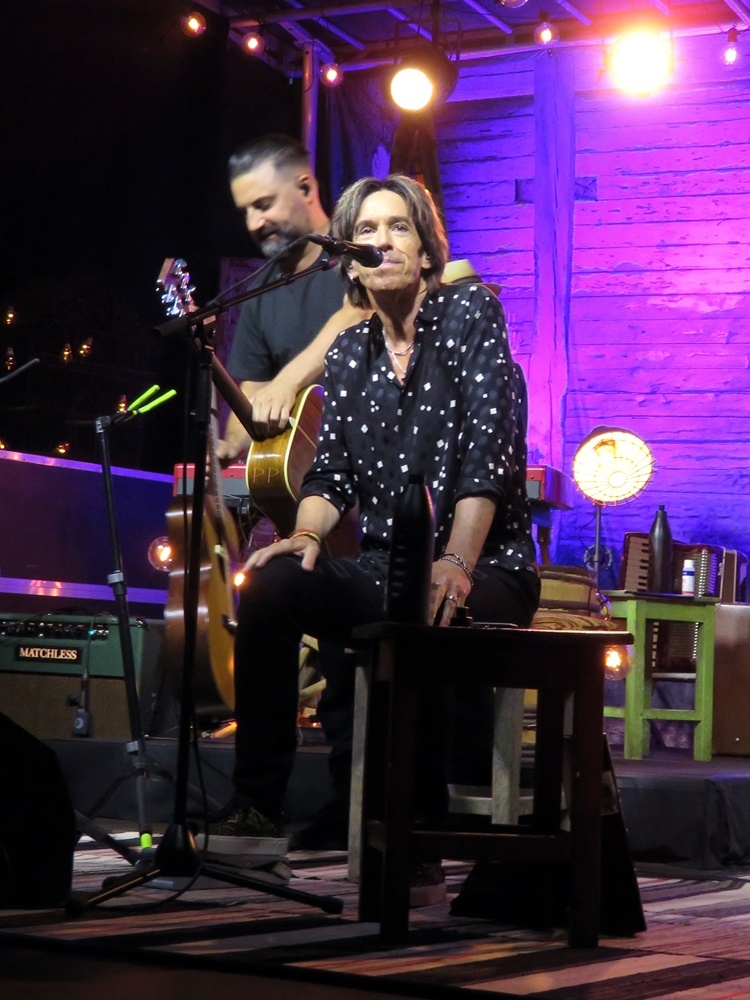
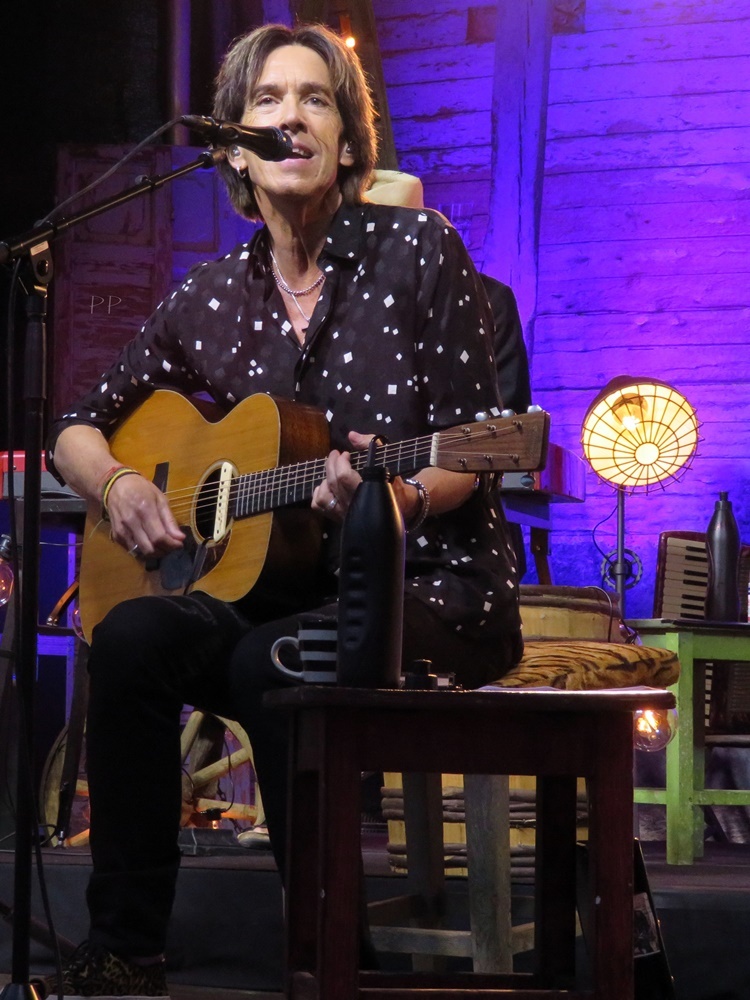
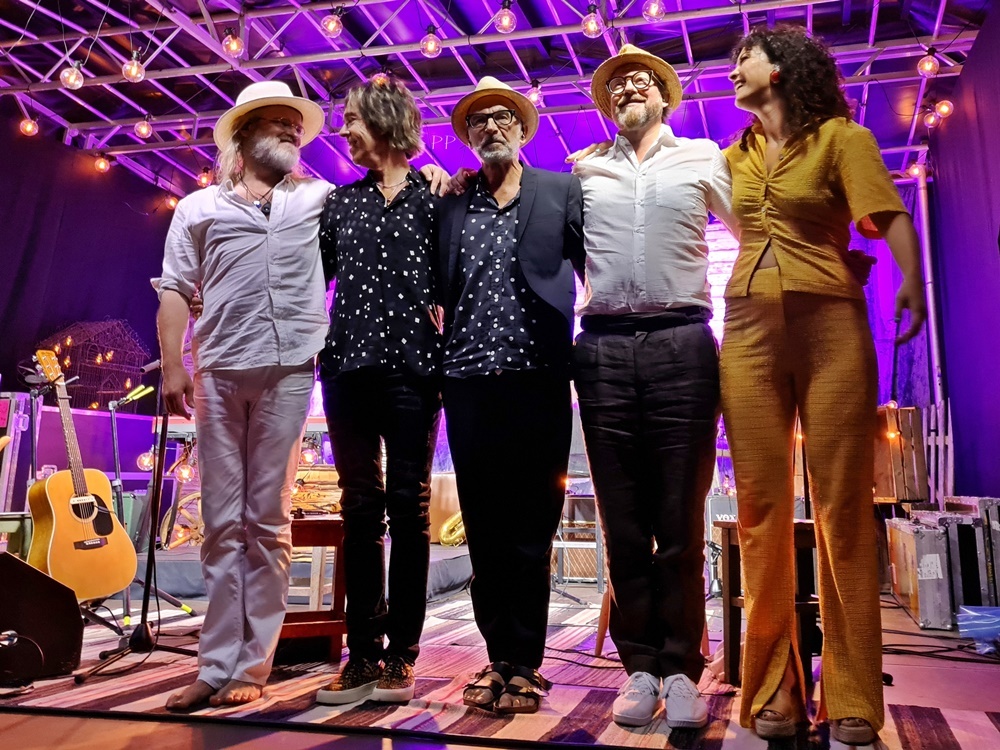
Musician Morgan Lydemo is doing a podcast, Skiss where he meets influential people from different corners of the music industry, who have managed to develop and build a stable platform for themselves with the help of musical talent, hard work and a sense of entrepreneurship. This time he invited Mats MP Persson who was involved in two of the biggest acts of Swedish music history, to talk about himself, the songs he was involved in, Gyllene Tider, Per Gessle and Roxette. You can listen to the podcast episode HERE.
Morgan introduces MP as a producer, songwriter and musician and is uncertain about Mats being a drummer or a guitarist in the first place. MP tells that in his teens he started out as a drummer, but of course, many know him as the guitarist in Gyllene Tider. Morgan tells MP is recording most of the demos of Per Gessle and he asks Mats if he is also doing the final production of the songs. MP tells final production he doesn’t do so often, but last year they recorded a home-made solo album for Per and that was mastered by MP. Demos are recorded at his studio since the early 80’s and it’s fun that they are also released on albums to show how the songs started out. Some are very much produced, some are very simple.
MP tells that at high school he played in a band as a drummer. The bassist, Peter Nilsson was friends with Per Gessle and Per visited them at their rehearsal studio in the attic of MP’s grandma’s house. MP thinks Per changed then completely. Until then he was sitting at home translating Leonard Cohen lyrics, listening to David Bowie, playing a nylon-string guitar nicely, but the rock ’n’ roll experience in the rehearsal studio changed him and he thought that was what he wanted to do.
Morgan asks MP if one can say that he is Per Gessle’s right hand both in Gyllene Tider and Roxette. MP says Per writes a lot himself, but it happened that MP had some ideas before PG started writing and Per thought those were fun to build on. When that happens, both of them are stated as composers of the song. Regarding their collaboration, Mats says it can only work well if you realize that making it together is one step ahead vs. if you are doing it on your own and the other is doing it on his own. Then the collaboration is perfect. Morgan notices that if they have been working together since so long, it must be working fine between them. MP adds of course there are discussions like could we change this or that, related to the arrangement or so and it’s fun. MP has a well-isolated studio and he thinks his stuff there simply fits Per quite well. Often when Per comes to the studio, MP just puts on the right microphone capsule and Per sounds absolutely fantastic, his voice. Per feels safe there and has MP as a sounding board when he sings. Per decides 80% himself and then asks MP for his opinion.
Morgan asks MP how it was to start a band when they started playing together, how different it was vs. nowadays. MP says he hasn’t really been following the music scene nowadays, but today it’s more about computers and music programs, back then it was a must to build a band, have a rehearsal studio, rehearse a lot and do something that no one else was doing or at least do it better than anyone else, create your own identity. The lead singer often became the face of the band. You had to play a lot to be better and better at playing your instrument. It cost a lot of efforts, but if you were talented, it was probably all worth it.
Morgan says Halmstad has always been a big music scene. MP says he and Per were influenced by the punk era at the end of the 70’s, the sound was awesome, they thought. There were a lot of bands in Halmstad those days.
Morgan compares Gyllene Tider to ABBA in the sense that they weren’t so popular in the homefront. MP says GT was on TV on Måndagsbörsen in 1980 and played some songs there. Everyone in Sweden was watching that TV program back then. Himmel No. 7 and Flickorna på TV2 were already out on a single. They picked Himmel No. 7 as the A side, but Flickorna på TV2 was played at discos in Stockholm, so there was a second release of the single as a double A side. They had a huge break-through then and played live on TV. It was awesome. One could see what effect appearing live on a TV show had back then. There were only two TV channels those days.
They were touring, they rehearsed a lot in the studio and they weren’t really social, but had their close friends around them. MP tells that in another sound recording they talked about 1978-79 when they spent ten thousand hours at the rehearsal studio. They were there every day instead of going to the soccer field or running after girls. The money they earned with their summer jobs they spent on strings and cables. They were really focused. MP thinks it comes from those days that whenever they sit down to play together, it’s still there. All of them 5 ride in the same tempo and everyone strives towards one aim. When there is e.g. another drummer or bassist playing those songs, it’s different. Not better or worse, just different. The beat is not the same. All 5 of them live different lives, but when they get together there is a smile on their faces and they know they are there for the sake of music.
Morgan says Listen To Your Heart is probably the most known song MP composed together with Per. He asks MP to mention some more Roxette songs where he was co-writer. Mats mentions (Do You Get) Excited? and Spending My Time from the Joyride album. As per Gyllene Tider, he can’t remember anymore, but it was mainly their first album, e.g. Flickorna på TV2, Ska vi älska, så ska vi älska till Buddy Holly, (Dansar inte lika bra som) Sjömän.
Getting back to LTYH, Morgan asks MP to tell the story of the song, how it was written. MP remembers that they were sitting in the studio in Gullbrandstorp or Styrdal in 1988. MP recorded something on the sequencer, what became the verse part of LTYH, one can say. Per came in with a paper and wanted to record something totally different, but he asked what that was. He thought the melody could work with the text he had on the paper. He put the paper to the side and they started working with the melody. For the next day, Per added another part and they did a simple demo. It’s Per who is singing on the demo. MP says it felt like a little happy accident, because if Per hadn’t entered the studio when Mats was playing that melody, maybe it would have never turned up.
Talking about the studio work, Morgan asks MP if he thinks the new generation is missing anything when it comes to the old studio techniques. MP says that in a way it’s fun to have the limitations of tapes and distortions and such things. When they started, he didn’t have a 24-track multitrack recorder, but an 8-channel recorder, then in 1989 they upgraded to a 16-track recorder and used it until 1998. Now it’s computers and it’s much easier to manipulate the sounds. Morgan says it’s easy to sound good nowadays. MP agrees. Mats adds that it’s e.g. fun for him if there are 4 choruses in a song, he wants to record all four. Copy-paste of course saves time, but it’s more fun in the old school way.
Morgan asks for some basic tips from MP as producer and technician for those musicians who would like to build their own studio. What is what they should think about in the first place. MP repeats that when they started they had a simple mixer and an 8-channel recorder. He adds tips about microphones and amps. He says he still likes coloured sounds, which can e.g. be a strange frequency or a certain distortion. It’s so easy with the plug-ins nowadays. One has to test them.
Morgan asks MP about GT’s break-up in 1985, how it was and how it felt. MP says it was a horrible feeling. They all felt that they had reached a career that they couldn’t top. Before that, they felt they did everything they could in Sweden, so they recorded an English album, The Heartland Café under the name Roxette, not Golden Times. MP thinks the album sounds quite good, but what they did before was not reflected on that album. It became a mini LP with 6 songs in the US, but it didn’t sell at all. Anders wanted to leave the band, so they broke-up in 1985. For Per then came Roxette, a collaboration with Marie Fredriksson, trying something in English with her. It was fun, MP says and in the end, GT’s break-up was a milestone in Roxette’s history. MP adds he started working at Halmstad airport at the time to be on the safe side, so he was recording demos with Per and working at the airport.
Morgan asks MP about GT’s comebacks too. Mats says that in 1989 both he and Per turned 30, then Roxette was on tour for a long time, then they made the album Crash! Boom! Bang! and went on tour again. Then there was a pause and there was this Halmstad All Stars happening at Stora torg in Halmstad in 1995 and the guys in GT were asked if they could put together something for that event. It became so huge that journalists wrote it was time for a comeback of GT. So the guys decided for what became Återtåget and it was fantastic with sold out concerts all around.
There was a longer break when Marie got ill and Per did his Mazarin album in Christoffer Lundquist’s studio in 2002 and went on tour in the summer of 2003. Then came the idea to celebrate GT’s 25th anniversary in 2004. They wanted to do the same size tour as Återtåget was, but they had to book football stadiums instead. So instead of venues of 10.000 they played venues of 20-25.000, then there was Stockholm Stadium and Ullevi too. It was totally crazy, of course.
Mats remembers Marie was a secret guest at their last show on the Återtåget tour at Brottet in Halmstad and it was fun when she was singing a verse of När alla vännerna gått hem. It was like being on a completely different planet. It gives you goosebumps, Morgan says, she was one of the best singers.
MP says there are a lot of things and happenings that became really successful, but all projects take a lot of time and energy. In between their big GT tours they didn’t do anything related to Gyllene Tider. What MP thinks is that a lot of people who listened to them in the beginning of the 80’s are the same age as them 5 and as they got older, they would have also loved to relive their youth. They have now kids and grandchildren and the guys can see that there are different generations at their shows. They are very fortunate. Before they got their record contract in 1979, they – mainly Per – sent mails to e.g Mats Olsson at Expressen, to Aftonbladet, to record labels they also sent cassettes again and again and again, quite frequently. It was kind of a ritual every wekk. One doesn’t have this kind of energy nowadays. They thought they had something in them, they believed in themselves.
Their songs live their own lives, new generations are also listening to them. Morgan says they are evergreens. Mats tells when they were recording Puls, they were looking for a sound and they were inspired by the big American sound that Tom Petty represented. When they thought they were ready, Kjell Andersson at EMI said there was no hit on the album. They needed a hit for the summer. Then Per went and wrote Sommartider, so that was the last song they recorded and it became a huge hit.
Morgan asks MP to tell some more anecdotes he thinks would be interesting for the listeners to hear. MP laughs and says there are some he can’t tell. He says many thought they had a lot of girls around them, a girlfriend here and there, but it wasn’t the case. They were really nice and good guys and were focusing on their job. MP also talks about touring in the 80’s and that they had the same financial management as Björn Skifs.
At the end of the interview Morgan asks MP to pick one option from two made-up happenings (related to music and Gyllene Tider) and then pick another one from other two made-up stories and here it turns out that MP played the trumpet until the age of 15, but he can’t really play the violin.
Morgan asks for some closing thoughts and MP says to play music for people who enjoy it is pure happiness and so satisfying. Music spreads joy, he thinks.

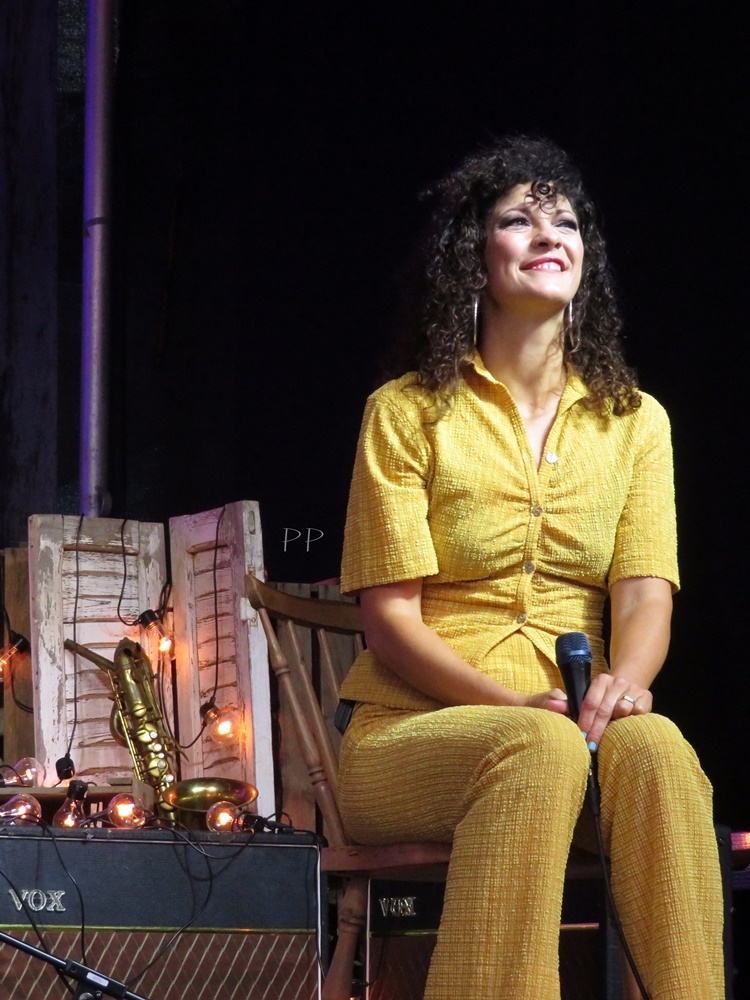
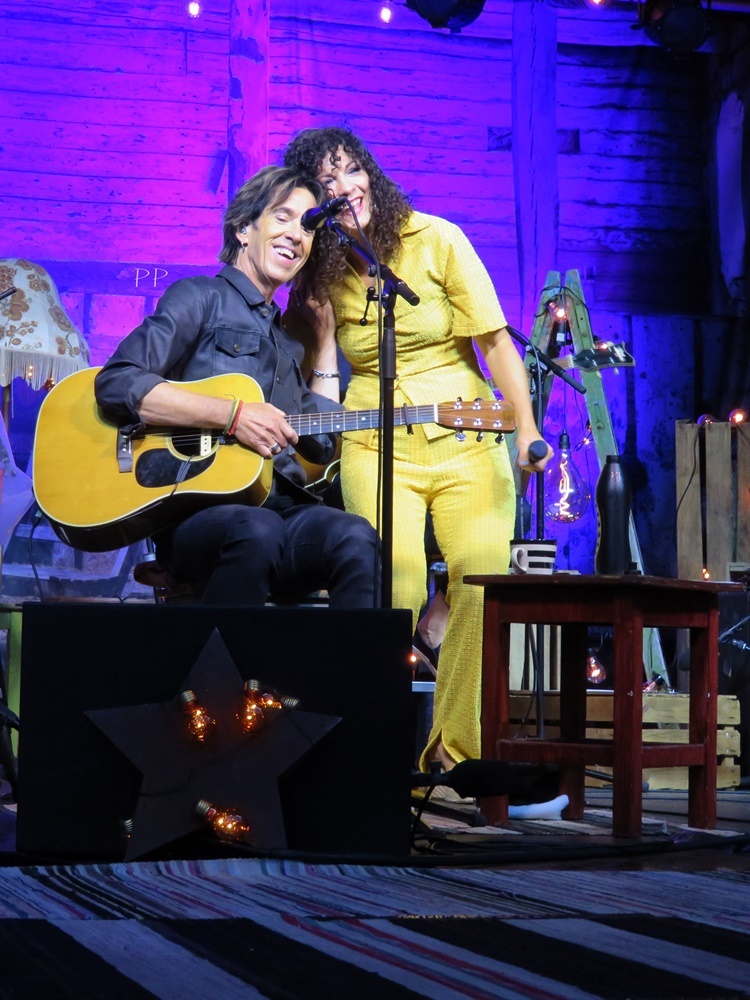
Pic by Patrícia Peres, Ronneby, GT40 tour 2019